Travel guide
Explore Efate
A pocket guide to Vanuatu — its islands, history, people, and culture — to spark curiosity while you stay on Efate.
This guide sticks to well-known, general facts about Vanuatu. Nearby places around Epule and a map will be added only when the resort confirms details — nothing is invented here.

Introduction
Welcome to Vanuatu
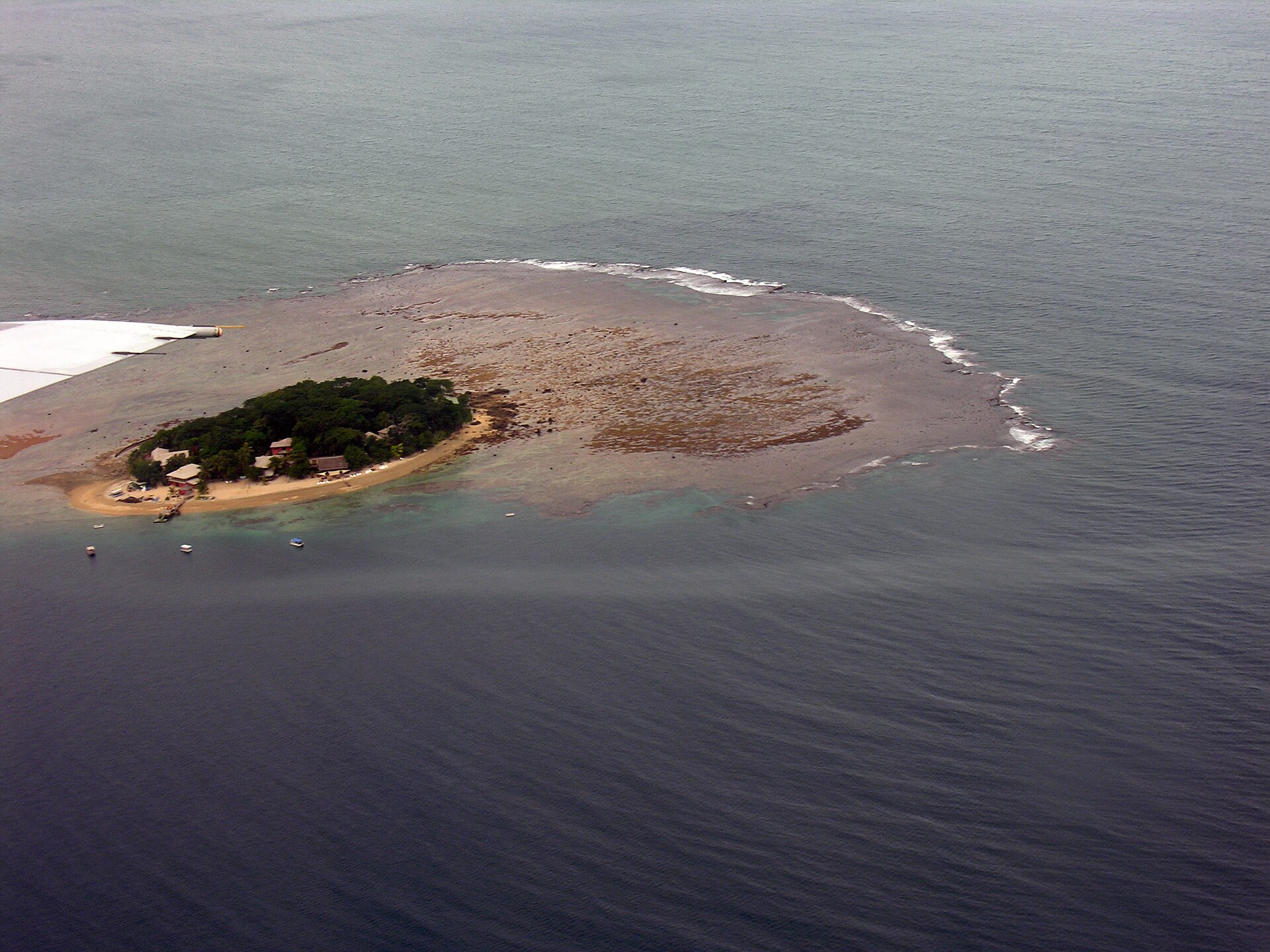
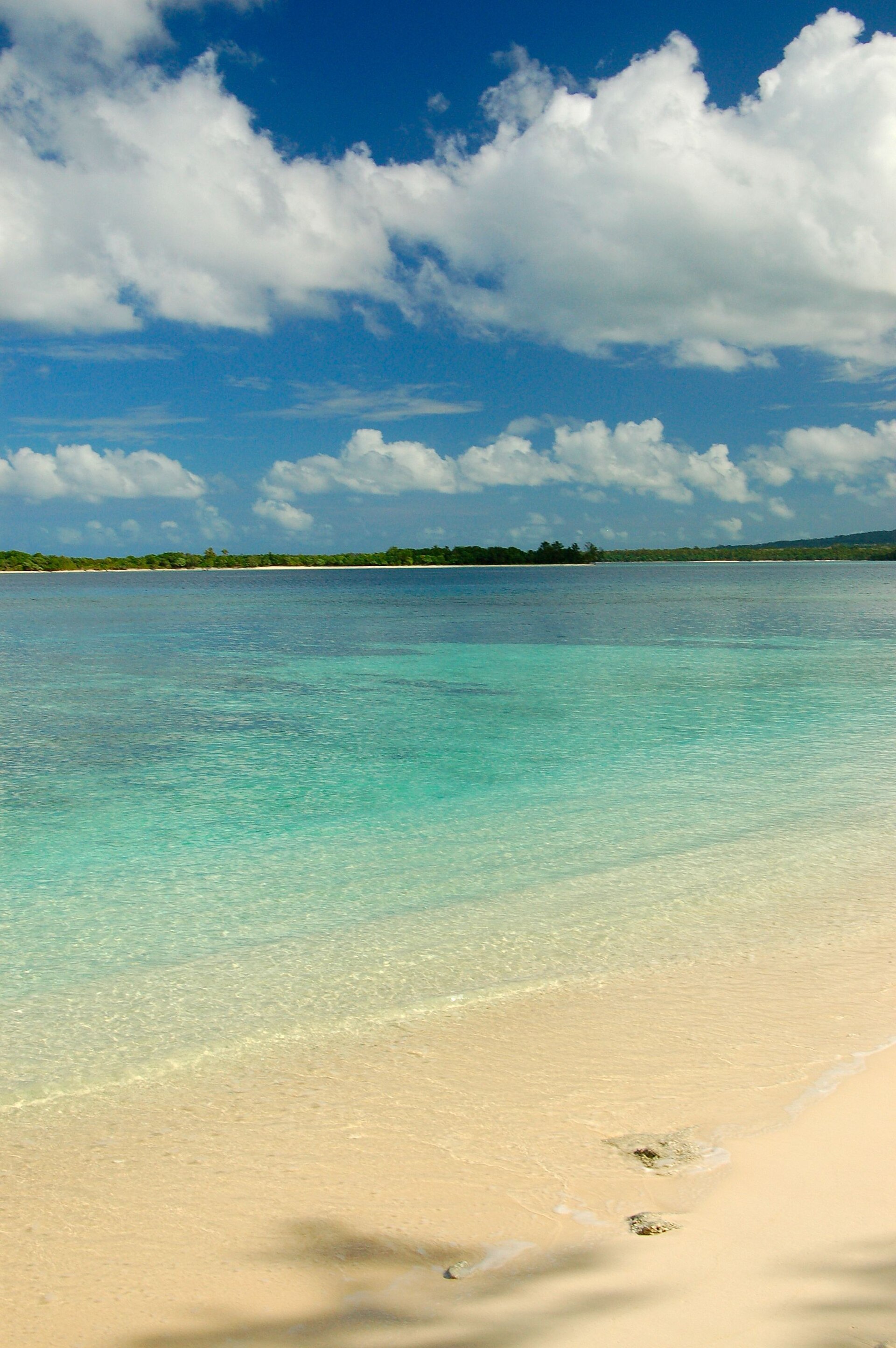
Vanuatu is an independent Melanesian nation in the South Pacific — a chain of more than eighty islands of volcanoes, rainforest, coral coasts, and village life. Efate, where Le Life sits at Epule, is home to the capital Port Vila and a gentle place to begin understanding the country.
What makes Vanuatu special is not only the scenery. It is the strength of community, the living presence of kastom (custom), and a pace that invites you to listen before you rush.

History
A short history
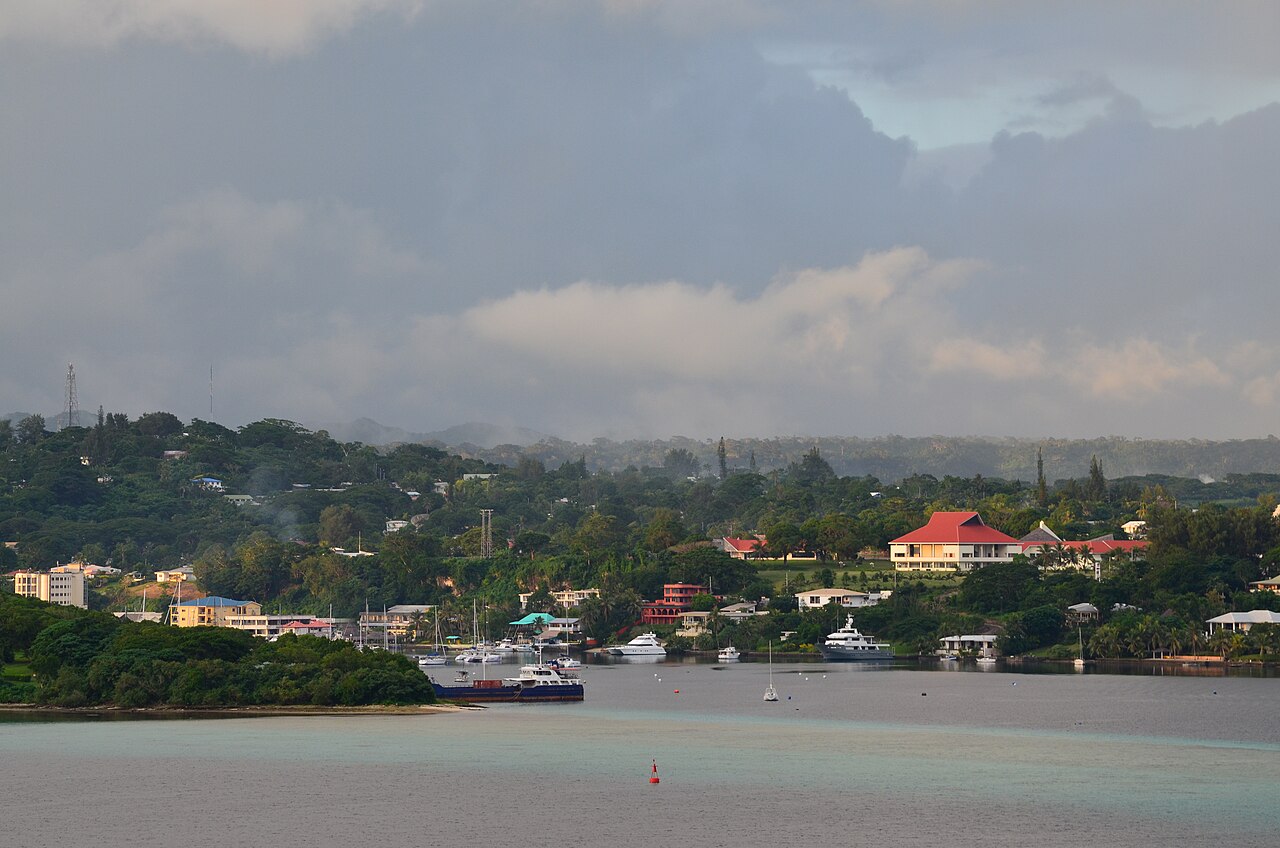
People have lived in these islands for thousands of years, sailing and gardening across Melanesia long before European ships arrived. In the colonial era the archipelago was known as the New Hebrides and was jointly administered by Britain and France — an unusual arrangement called a condominium.
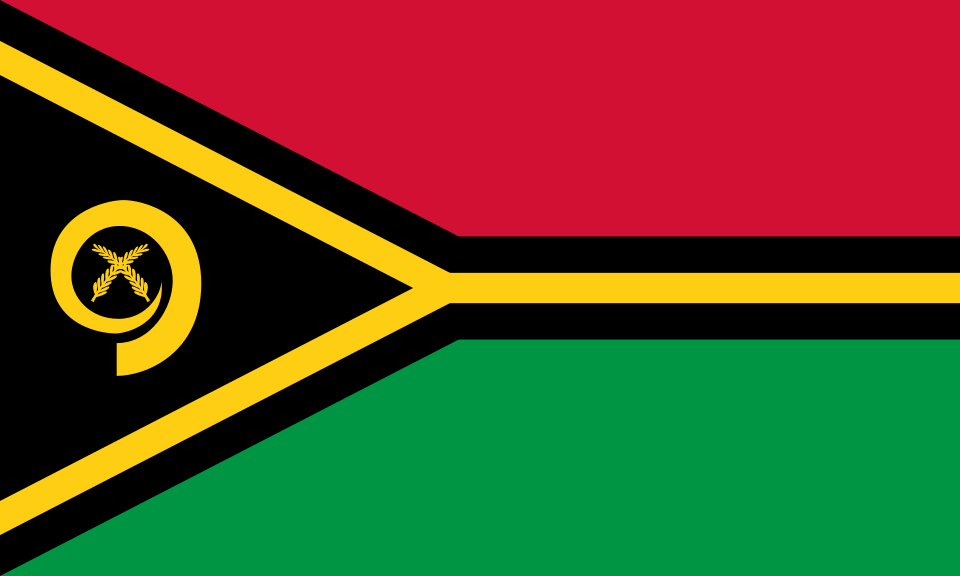
Vanuatu became independent on 30 July 1980. That date is celebrated each year as Independence Day. Today the country balances modern government with deep respect for traditional leaders and land owned through custom.

People
Ni-Vanuatu life
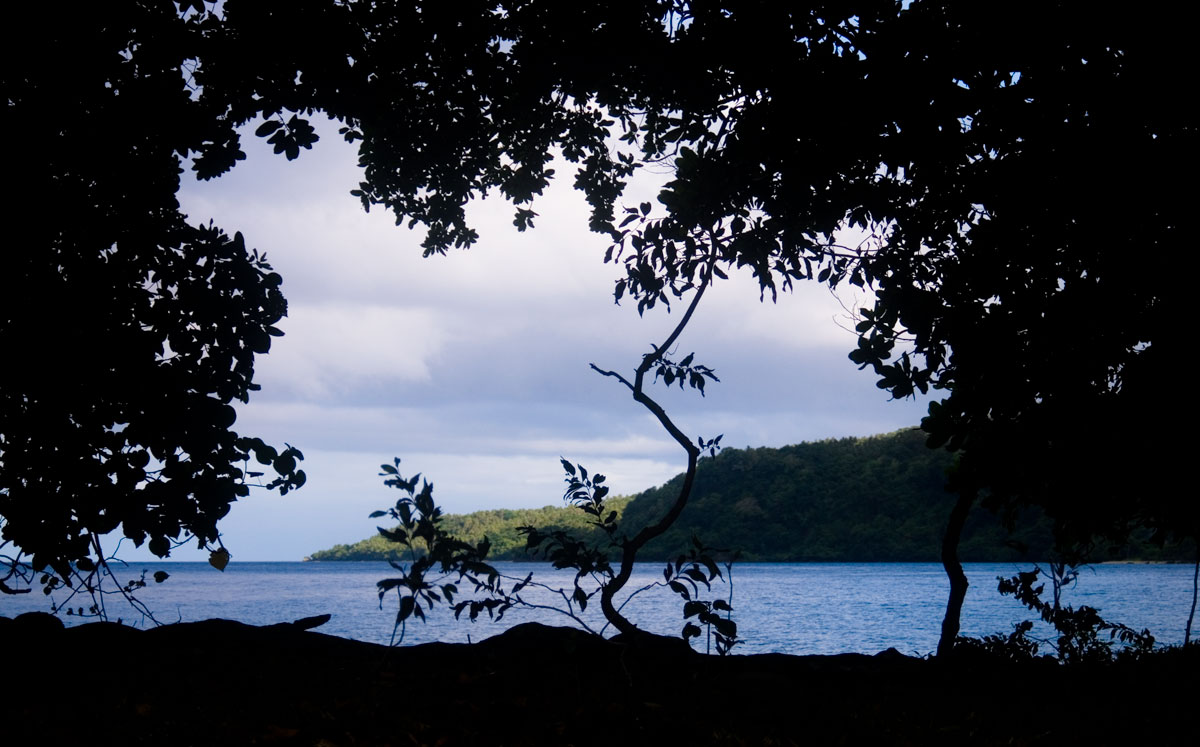
The indigenous people of Vanuatu are known as Ni-Vanuatu. Kinship, land, and village belonging remain central. Guests are often met with warmth — a smile, a greeting, and genuine curiosity.
More than one hundred local languages are spoken across the islands, one of the densest linguistic landscapes in the world. Alongside them, three official languages help the nation talk together: Bislama, English, and French.

Culture
Kastom & traditions
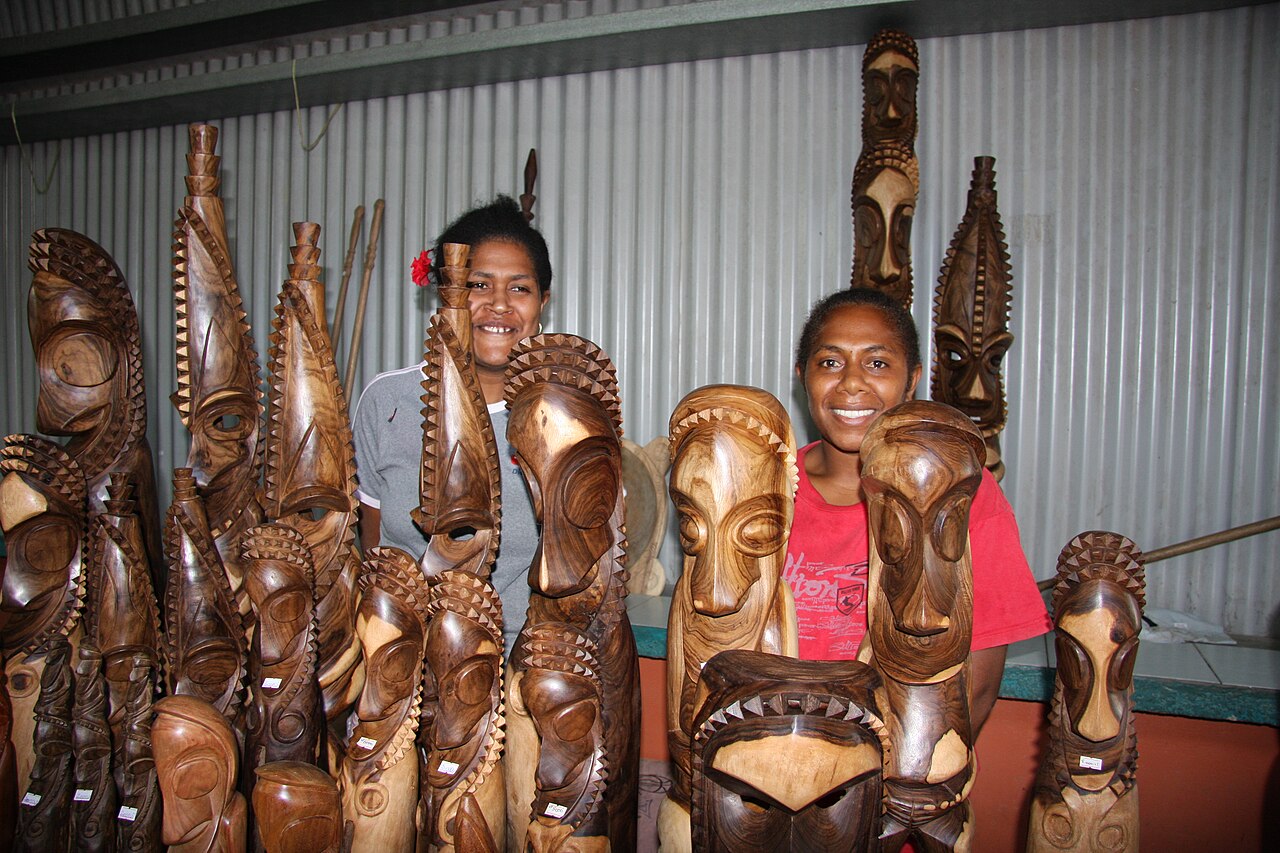
Kastom means living custom: ceremonies, respect for chiefs and elders, dance, storytelling, and ways of holding land. It sits beside church life, schooling, and modern work rather than disappearing into the past.
Some islands are famous for dramatic ceremonies — for example land diving (naghol) on Pentecost. Wherever you are, ask before photographing people or sacred events, dress modestly in villages, and follow your hosts’ lead.

Language
A little Bislama
Bislama is a Melanesian creole and one of Vanuatu’s official languages. You will hear it in markets, minibuses, and friendly chat. A few words go a long way — and locals often enjoy the effort.
Try: “Halo” (hello), “Tanke yu” / “Tangkyu” (thank you), “Plis” (please), “Wanem nem blong yu?” (what is your name?), “Mi hapi tumas” (I’m very happy). Pronunciation is friendly and phonetic — listen and copy what you hear.

Nature
Ocean, bush & volcanoes
Vanuatu sits on the Pacific Ring of Fire. Active volcanoes (such as Yasur on Tanna) are part of the national story, while reefs, mangroves, and rainforest support everyday food and culture.
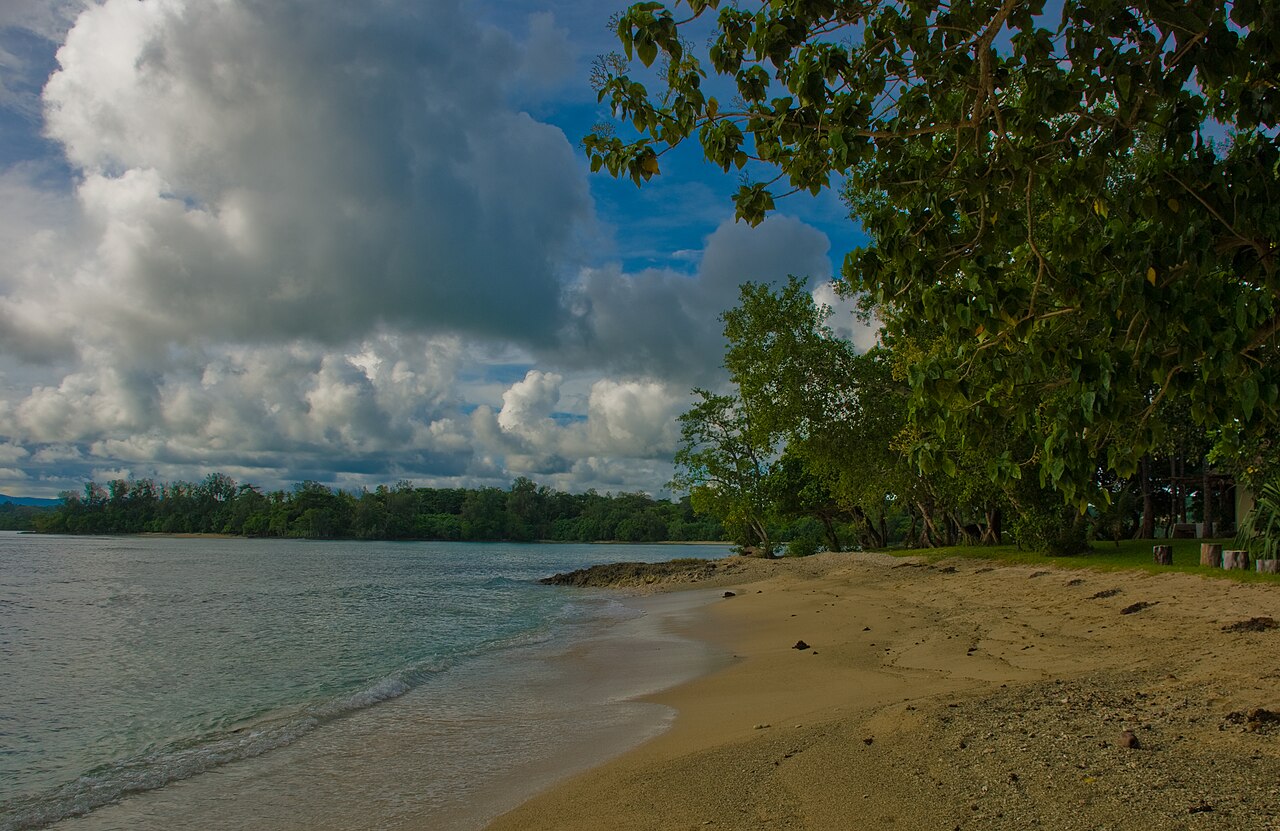
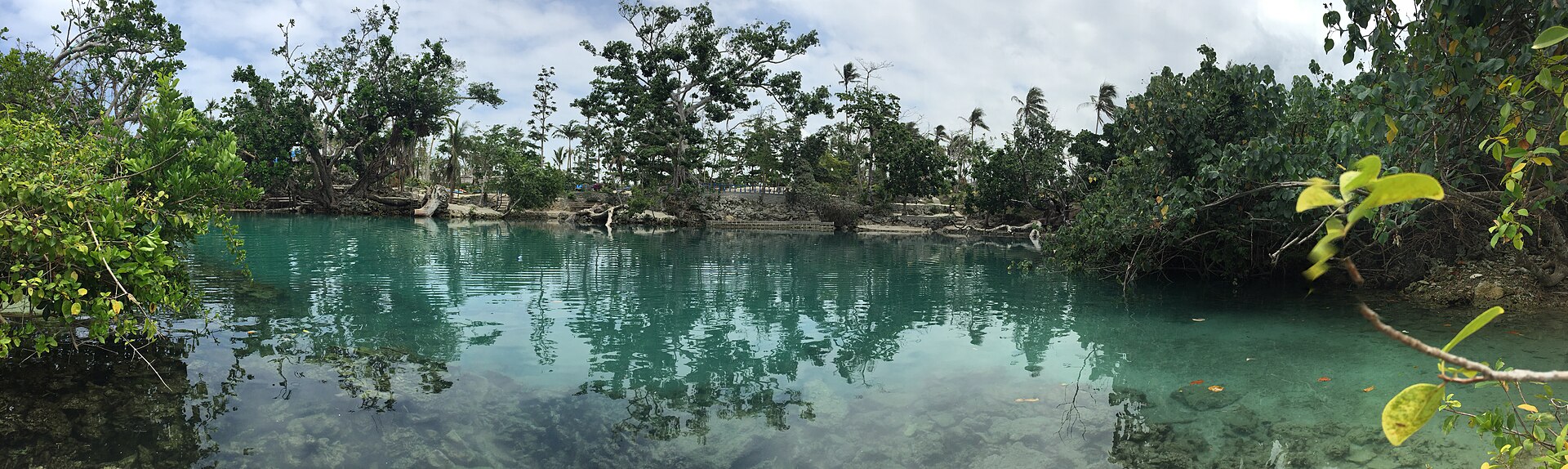
On and around Efate you will notice how close the hills sit to the shore. Treat reef and bush gently: take rubbish with you, use reef-aware habits, and ask about swimming conditions — currents can be strong in places.

Practical
Tips for exploring from Le Life
Ask reception before you set out — they know road conditions, village expectations, and what is realistic for a day trip. We do not list unverified businesses or prices here.
Carry water, sun protection, and a little cash in vatu. In villages, greet people, ask before taking photos, and dress respectfully. Sundays are often quieter and church-focused. When in doubt, ask your hosts — that is part of the welcome.